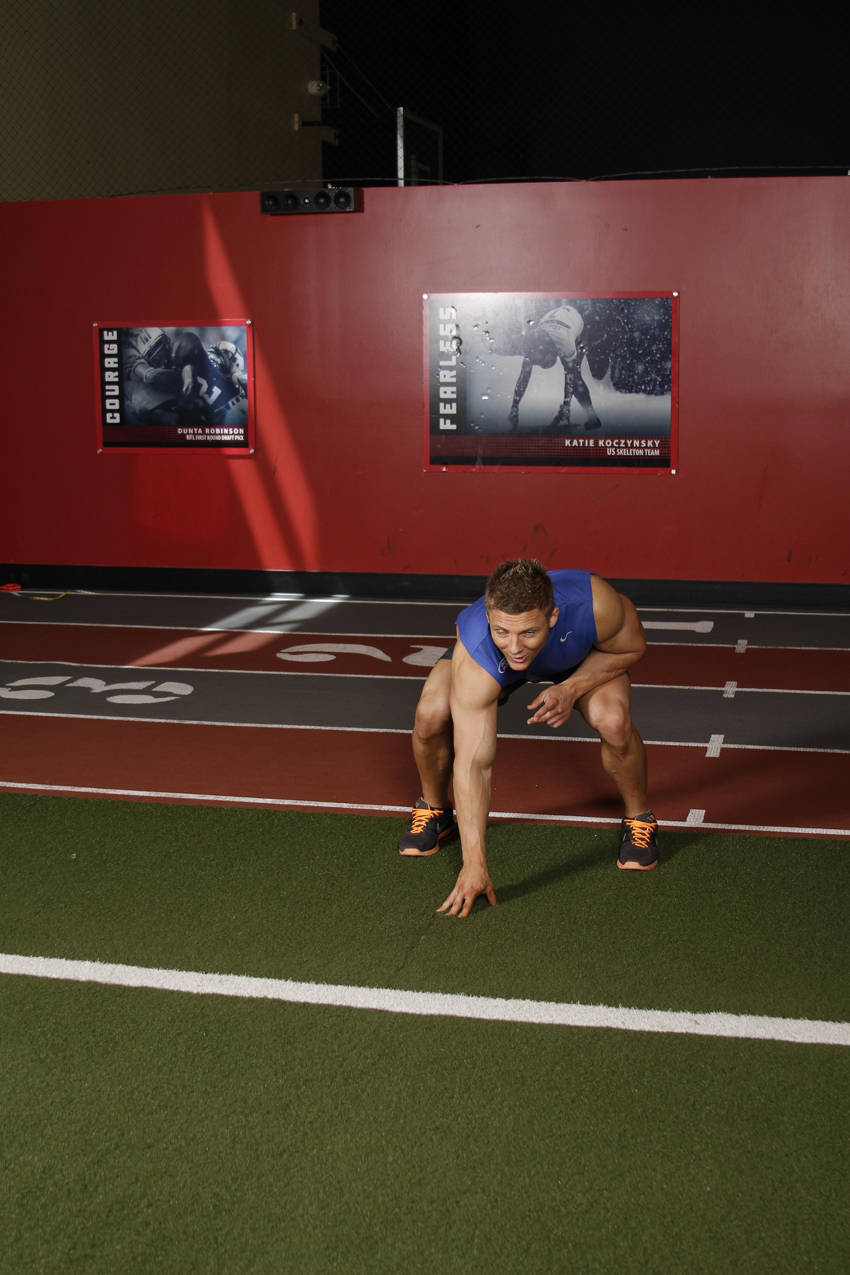
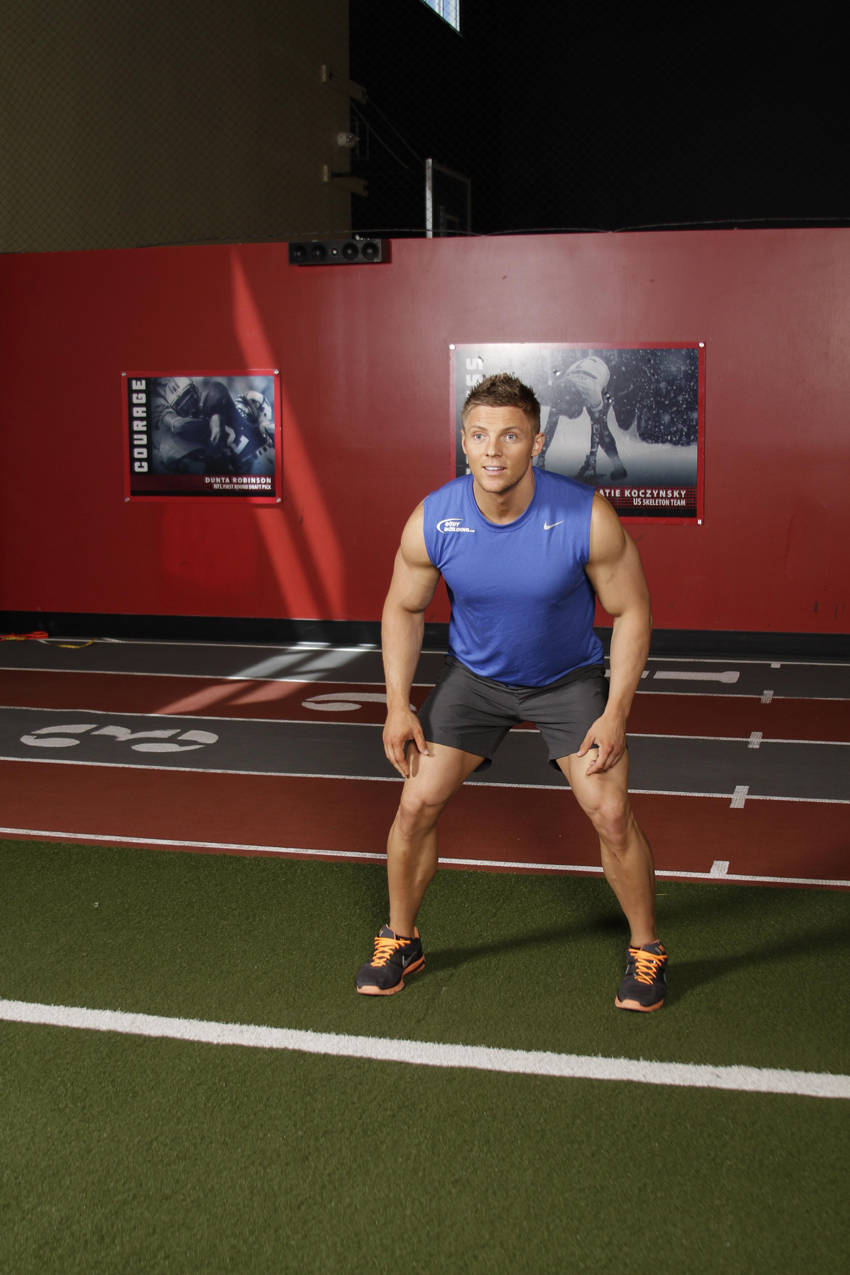
Return Push from Stance primarily targets the Shoulders. It also engages the Chest, Triceps as secondary muscles. This makes it an effective plyometrics exercise for building shoulders development.
You will need a medicine ball to perform the Return Push from Stance. Make sure the equipment is set up properly and at the appropriate weight before starting.
Yes. The Return Push from Stance is a beginner-friendly exercise. Focus on proper form before adding weight or intensity. It's a great movement to include early in your training.
The Return Push from Stance is a compound exercise, meaning it works multiple joints and muscle groups simultaneously. Compound movements are efficient for building overall plyometrics and are typically performed earlier in a workout when you have the most energy.
For plyometric exercises like the Return Push from Stance, focus on quality over quantity. Perform 3-4 sets of 6-10 reps with full recovery between sets (60-90 seconds). Explosive power decreases with fatigue, so stop if your form breaks down.
Good alternatives include the Alternating Cable Shoulder Press, Alternating Deltoid Raise, Alternating Kettlebell Press. These exercises target similar muscle groups (Shoulders) and can be substituted based on available equipment or training preference.
Best for: Building practical strength and adding focused work for Shoulders, Chest, Triceps. Use it when the movement fits your goal, equipment, and recovery.
Programming tip: Start with a load you can control for every rep. Add reps before adding weight, and keep the last rep clean enough that you could repeat the movement next week.
Common mistake: Chasing heavier weight before the setup, range of motion, and tempo are consistent. If the rep changes every set, the log stops telling the truth.
Track it: Log weight, reps, sets, and one short note about form or difficulty. Over time, those notes explain plateaus better than motivation quotes ever will.
