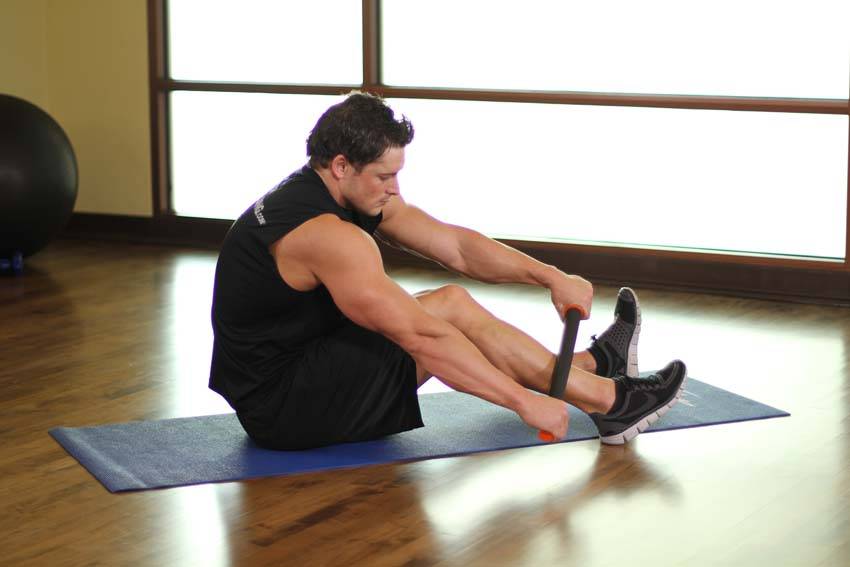
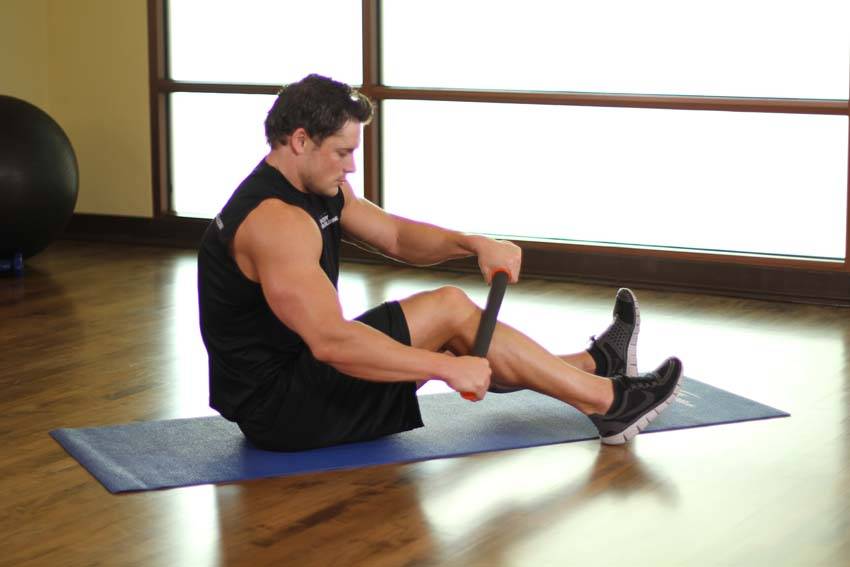
Anterior Tibialis-SMR primarily targets the Calves. This makes it an effective stretching exercise for building calves development.
You will need an other to perform the Anterior Tibialis-SMR. Make sure the equipment is set up properly and at the appropriate weight before starting.
The Anterior Tibialis-SMR is an intermediate exercise. You should have a solid foundation of basic stretching movements before attempting it. If you're new to training, start with simpler variations and progress to this exercise as your form and strength improve.
Hold the Anterior Tibialis-SMR for 20-30 seconds per side, repeating 2-3 times. Stretch after your workout or on rest days when your muscles are warm. Never bounce or force a stretch past your comfortable range of motion.
Good alternatives include the Ankle Circles, Balance Board, Barbell Seated Calf Raise. These exercises target similar muscle groups (Calves) and can be substituted based on available equipment or training preference.
Best for: Building practical strength and adding focused work for Calves. Use it when the movement fits your goal, equipment, and recovery.
Programming tip: Start with a load you can control for every rep. Add reps before adding weight, and keep the last rep clean enough that you could repeat the movement next week.
Common mistake: Chasing heavier weight before the setup, range of motion, and tempo are consistent. If the rep changes every set, the log stops telling the truth.
Track it: Log weight, reps, sets, and one short note about form or difficulty. Over time, those notes explain plateaus better than motivation quotes ever will.
