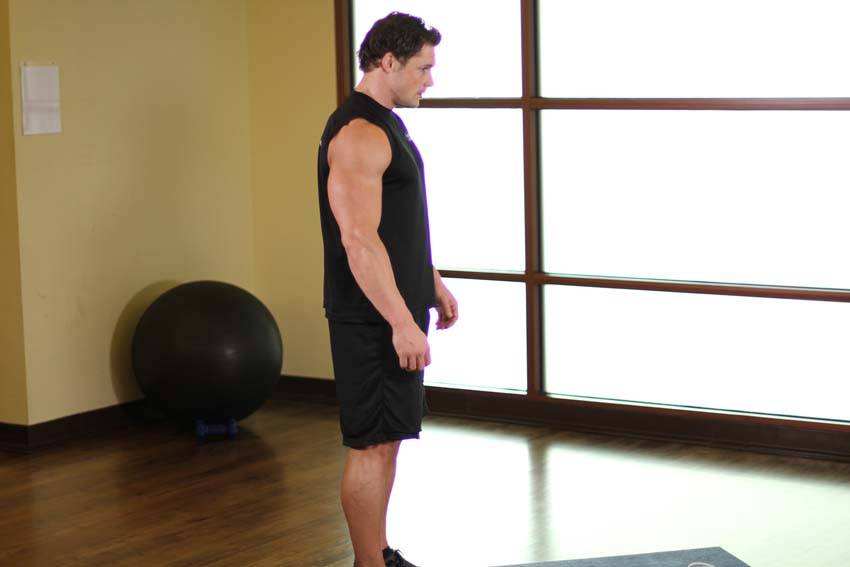
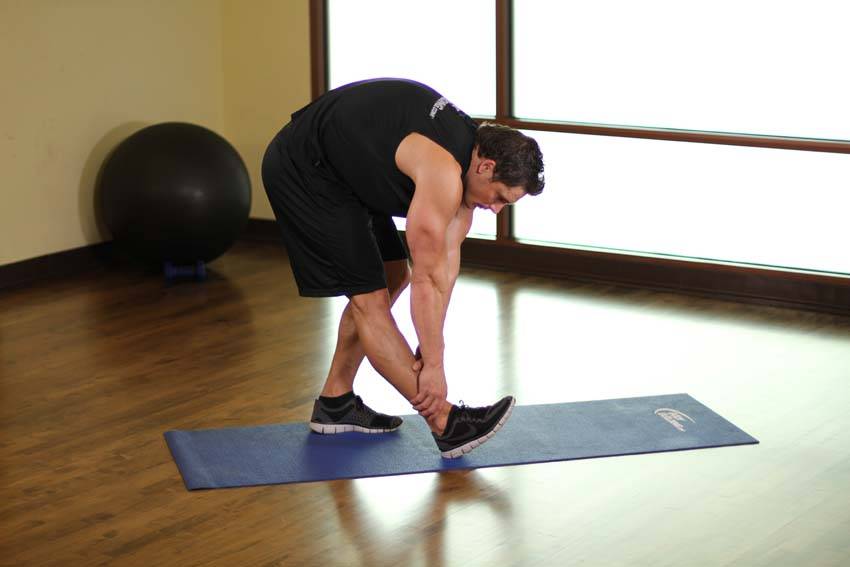
Runner's Stretch primarily targets the Hamstrings. It also engages the Calves as secondary muscles. This makes it an effective stretching exercise for building hamstrings development.
Yes. The Runner's Stretch is a beginner-friendly exercise. Focus on proper form before adding weight or intensity. It's a great movement to include early in your training.
Hold the Runner's Stretch for 20-30 seconds per side, repeating 2-3 times. Stretch after your workout or on rest days when your muscles are warm. Never bounce or force a stretch past your comfortable range of motion.
Good alternatives include the 90/90 Hamstring, Alternating Hang Clean, Ball Leg Curl. These exercises target similar muscle groups (Hamstrings) and can be substituted based on available equipment or training preference.
Best for: Building practical strength and adding focused work for Hamstrings, Calves. Use it when the movement fits your goal, equipment, and recovery.
Programming tip: Start with a load you can control for every rep. Add reps before adding weight, and keep the last rep clean enough that you could repeat the movement next week.
Common mistake: Chasing heavier weight before the setup, range of motion, and tempo are consistent. If the rep changes every set, the log stops telling the truth.
Track it: Log weight, reps, sets, and one short note about form or difficulty. Over time, those notes explain plateaus better than motivation quotes ever will.
