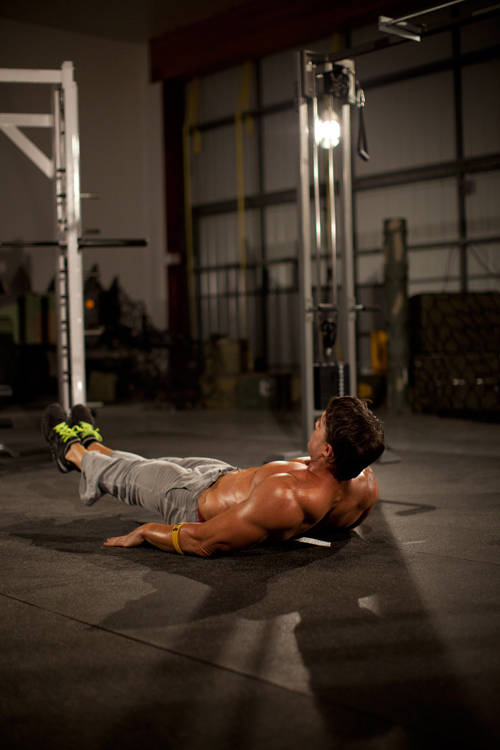
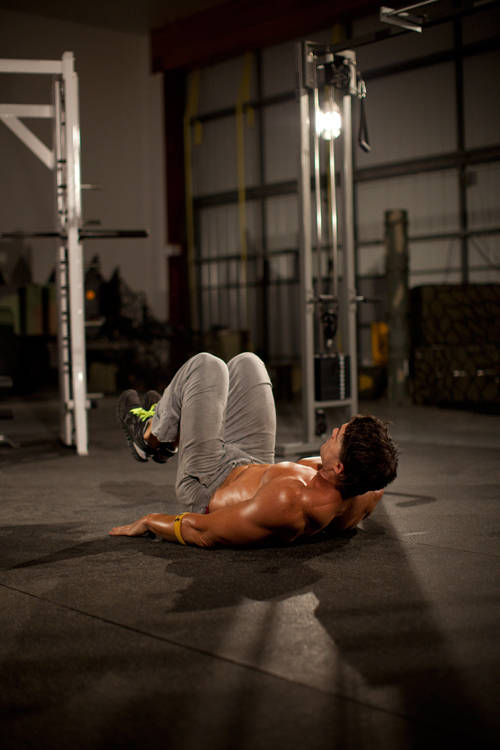
Bottoms Up primarily targets the Abdominals. This makes it an effective strength exercise for building abdominals development.
No. The Bottoms Up is a bodyweight exercise that requires no equipment. It can be performed anywhere with enough space.
Yes. The Bottoms Up is a beginner-friendly exercise. Focus on proper form before adding weight or intensity. It's a great movement to include early in your training.
The Bottoms Up is a compound exercise, meaning it works multiple joints and muscle groups simultaneously. Compound movements are efficient for building overall strength and are typically performed earlier in a workout when you have the most energy.
For strength, aim for 3-5 sets of 5-8 reps with heavier weight. For muscle building (hypertrophy), try 3-4 sets of 8-12 reps at a moderate weight. For endurance, use lighter weight and perform 2-3 sets of 15-20 reps.
Good alternatives include the 3/4 Sit-Up, Ab Crunch Machine, Ab Roller. These exercises target similar muscle groups (Abdominals) and can be substituted based on available equipment or training preference.
Best for: Building practical strength and adding focused work for Abdominals. Use it when the movement fits your goal, equipment, and recovery.
Programming tip: Start with a load you can control for every rep. Add reps before adding weight, and keep the last rep clean enough that you could repeat the movement next week.
Common mistake: Chasing heavier weight before the setup, range of motion, and tempo are consistent. If the rep changes every set, the log stops telling the truth.
Track it: Log weight, reps, sets, and one short note about form or difficulty. Over time, those notes explain plateaus better than motivation quotes ever will.
